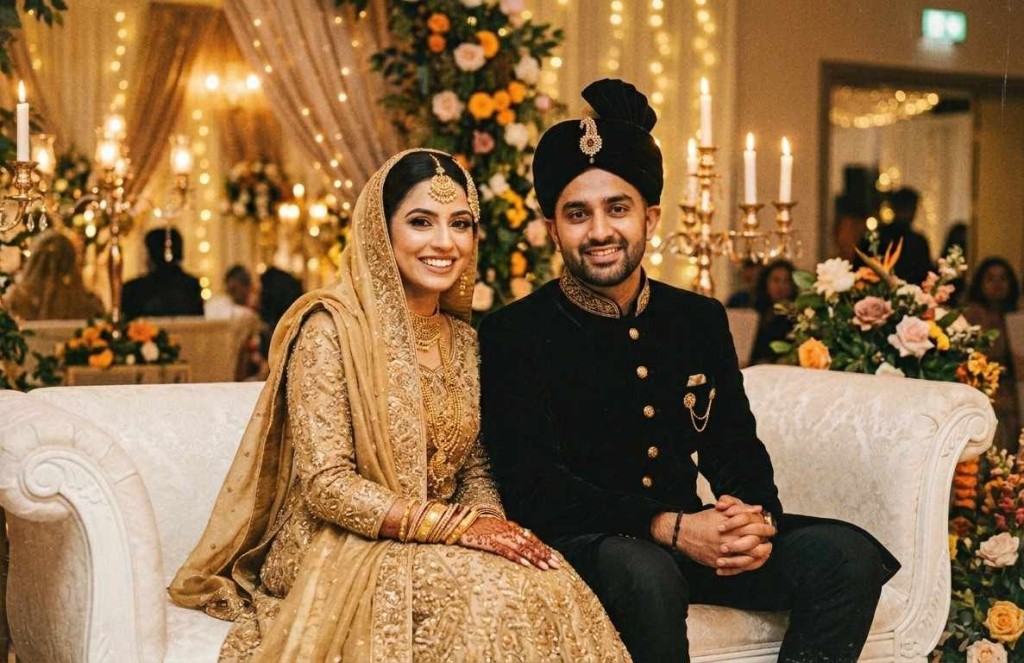
Modern Marriage Trends in Pakistan: How Rishta Culture is Changing
Marriage in Pakistan has always been a mix of culture, family traditions, and social expectations. From big fat desi weddings to aunties bringing rishtas from every possible direction, the system has stayed strong for decades. But lately, marriage trends in Pakistan are slowly shifting. Education, careers, social media, and changing mindsets are reshaping how people think about marriage today.
Even though traditions like family involvement, arranged marriages, and cultural values are still very important, the younger generation is approaching marriage a little differently.
People Are Getting Married Later
One of the biggest current marriage trends in Pakistan is that people are getting married later than before.
A few years ago, it was very common for people to get married in their early twenties. Now many individuals prefer to finish their education, build a career, and become financially stable first. Because of this, late marriages in Pakistan are becoming more common, especially in bigger cities.
This doesn’t mean people don’t want to marry anymore. It just means many want to be more prepared before starting a new chapter.
Rishta Hunting Has Gone Online

Another interesting change in modern marriage trends in Pakistan is the rise of online matchmaking.
Before, rishtas mostly came through family networks, relatives, neighbors, or local marriage bureaus. Now many people are turning to Pakistani matrimonial websites and apps to find compatible partners.
This doesn’t completely replace traditional matchmaking. Instead, it works alongside it. Families still stay involved, but technology makes the search faster and gives people more options.
Education and Career Matter More Than Before

Education has become a big factor in marriage preferences in Pakistan.
Families now often look for partners with similar education levels, career goals, and ambitions. Many people want someone who understands their professional life and supports their long-term goals.
This trend is especially noticeable among young professionals who want marriage to be a partnership rather than just a traditional arrangement.
Big Weddings… But Slowly Becoming Simpler

Pakistani weddings are famous for being huge celebrations. Mehndi, Barat, Walima, and multiple events are still a big part of Pakistani wedding culture.
However, due to rising expenses, some families are starting to move toward simpler weddings in Pakistan. Instead of extremely lavish functions, some couples prefer smaller, more meaningful celebrations.
Family Still Plays the Main Role
Even with modern changes, family involvement in Pakistani marriages is still very strong.
Parents, relatives, and elders usually help find rishtas, check family backgrounds, and guide decisions. In many cases, marriage is seen as a union between two families, not just two individuals.
So while young people may have more say now, family approval remains extremely important in Pakistani culture.
Future Marriage Trends in Pakistan
The way people approach marriage will likely keep evolving over the next few years.
1) Technology Will Play a Bigger Role
One major future marriage trend in Pakistan is the continued growth of online matchmaking.
More people are expected to use matrimonial platforms and marriage bureaus that offer better filters, verified profiles, and smarter matchmaking tools.
Technology will likely make the rishta search faster, safer, and more organized.
2) Compatibility Will Matter More

Another shift we may see is a stronger focus on compatibility in marriage.
Instead of only looking at family background or social status, many couples are now paying attention to things like personality, mindset, lifestyle, and long-term goals.
People are realizing that a successful marriage needs understanding, communication, and shared values.
3) Tradition and Modern Thinking Will Blend Together
The future of marriage in Pakistan will likely be a balance between tradition and modern thinking.
Cultural practices like arranged introductions, family involvement, and traditional wedding events will still exist. At the same time, younger generations will continue bringing new perspectives about career balance, partnership, and personal choice.
Conclusion

Overall, marriage trends in Pakistan are evolving but not disappearing. Traditions like family involvement, arranged rishtas, and cultural wedding celebrations are still very important. At the same time, new influences such as education, careers, technology, and changing mindsets are shaping how people approach marriage today.
As these trends continue to develop, the future of marriage in Pakistan will likely be a mix of strong cultural roots and modern relationship values.
4th March, 2026